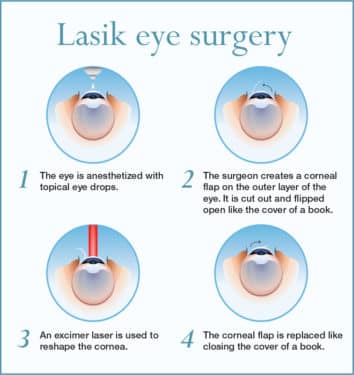
Recently, developments in laser eye surgery have revolutionized the way we approach vision correction. Among these advancements, SMILE has become as a prominent choice for individuals struggling with nearsightedness. This non-invasive technique not only promises enhanced vision, but it also provides a range of benefits that can improve the overall process for patients. With its distinct approach to altering the eye surface, SMILE is becoming a favorable choice for countless people in need of better vision without the need for eyeglasses or lenses.
For those considering SMILE, it's crucial to understand what the process includes, its advantages over traditional techniques like laser-assisted in situ keratomileusis and PRK, and what to prepare for during the recovery process. From evaluating eligibility to examining potential risks and overall expenses, this piece discusses the crucial aspects of SMILE laser eye surgery, providing valuable insights for anyone looking to unlock the benefits of good sight.
Understanding SMILE Eye Surgery
SMILE, known as Small Incision Lenticule Extraction, is a groundbreaking ophthalmic procedure targeting those experiencing nearsightedness or myopia. This procedure offers a minimally invasive alternative to standard LASIK surgery, utilizing advanced technology to contour the cornea through a small incision. By creating a thin layer of tissue within the cornea and removing it through the incision, this technique corrects vision inaccuracies with a low amount of disruption to the surrounding tissue.
One of the main advantages of SMILE is its short duration and efficiency. The entire procedure typically takes approximately 30 minutes, and many patients report a quick recovery, allowing them to resume their daily activities within a short days. Furthermore, simply click the next website of the technique means there is no need for a flap, which can lower complications and improve overall safety compared to other vision correction techniques such as traditional LASIK and Photorefractive Keratectomy.
Suitable patients for this eye procedure generally include individuals aged 22+ who are having stable vision. Before undergoing the surgery, a comprehensive evaluation is crucial to assess suitable candidates. Considerations such as overall eye health and the extent of shortsightedness will play a key role in assessing eligibility. As familiarity of the surgery grows, more people are uncovering the various benefits this procedure offers, including improved vision quality and reduced reliance on glasses or contact lenses.
Benefits and Risks of SMILE
One of the benefits of SMILE laser eye surgery is its minimally invasive characteristic. Unlike traditional LASIK, where a the creation of a flap in the cornea, SMILE uses a small incision to restructure the cornea. Such a bladeless approach leads to minimal disruption of the corneal structure, which can lead to quicker recovery times and reduced risk of complications. Many patients experience less postoperative discomfort and can return to their normal activities sooner.
A further significant benefit of SMILE is its effectiveness for treating nearsightedness, or myopia. Studies have shown that SMILE can provide excellent visual outcomes similar to LASIK, with patients achieving high levels of visual acuity. Additionally, the procedure has a strong safety profile, with a low incidence of severe side effects. This makes it a viable option for individuals seeking permanent correction for their vision without the need for glasses or contact lenses.
Nonetheless, like any surgical procedure, SMILE does come with potential risks. please click the following article may experience temporary side effects including dry eyes, glare, or halos around lights, that typically dissipate over time. It is also important to note that not everyone is a candidate for SMILE. Factors such as corneal thickness and the severity of myopia play a crucial role in determining eligibility. Therefore, it is essential to speak to a qualified eye care professional is essential to assess whether SMILE is the right option for individual needs and conditions.
SMILE vs. Other Laser Procedures
When considering laser eye surgery, it's essential to contrast SMILE with alternative well-known options like LASIK and Photorefractive Keratectomy. SMILE, or SMILE, is a no-blade procedure that focuses on treating myopia by removing a tiny piece of the cornea through a small incision. In contrast, Laser-Assisted In Situ Keratomileusis involves making a larger corneal flap, which may lead to a longer recovery time and a risk of flap complications. PRK, while efficient, requires the removal of the epithelium of the outer cornea and usually has a longer healing process than SMILE.
Another major factor to think about is the postoperative recovery. Many individuals report that the recovery from Small Incision Lenticule Extraction is quicker and more comfortable than both LASIK and PRK. With SMILE, patients often experience less postoperative discomfort and can return to normal activities sooner. Additionally, the design of SMILE minimizes interference to the corneal nerves, which may lead to a quicker resolution of dry eye symptoms that some people experience after LASIK.
Financial aspect is also a key consideration when choosing a procedure. While Small Incision Lenticule Extraction laser eye surgery can be somewhat more expensive than Laser-Assisted In Situ Keratomileusis, many individuals find that the advantages, including faster recovery and fewer side effects, justify the price difference. Ultimately, the choice between SMILE and other laser procedures will rely on personal needs, preferences, and the recommendations of a licensed eye care professional.
Price and Candidacy for SMILE
The price of SMILE laser eye surgery can differ significantly depending on multiple factors, including the surgeon's experience, the technology used, and the geographic location of the facility. On average, patients may anticipate to pay between $2000 and $4000 dollars per eye. It's crucial to inquire whether the quoted cost includes pre-operative consultations, post-operative care, and any necessary follow-up visits, as these can impact the overall cost.
Determining whether you are a suitable candidate for SMILE eye surgery involves a comprehensive evaluation by an eye care professional. Ideal candidates are typically those with moderate to severe nearsightedness or myopia, as well as those who favor a bladeless laser vision correction option. Individuals with certain eye conditions, thin corneas, or particular health issues may not qualify for this procedure, which is why a thorough assessment is crucial.
Ultimately, the decision to pursue SMILE surgery should be made jointly with your ophthalmologist, who will guide you through the potential benefits and any risks associated with the procedure. By understanding both the financial commitment and your specific eligibility, you can make an informed choice about whether SMILE is the right solution for achieving sharp vision.